.png)
Eligibility Issues for Dual Nationality Players in Dutch Football
Dutch football currently faces a complex challenge involving players with dual nationality. This issue affects the eligibility of many talented footballers, especially those with ties to Indonesia, Suriname, and Cape Verde. At the heart of the debate are several key laws. The Dutch Nationality Act (Rijkswet op het Nederlanderschap) generally restricts Dutch citizens from holding dual nationality, with only limited exceptions. In football, FIFA regulations require players to possess the nationality of the country they wish to represent, while the Eredivisie and the Royal Dutch Football Association (KNVB) establish additional eligibility rules for player registration and squad composition. Furthermore, Dutch immigration law imposes work permit requirements on non-EU players, often involving strict criteria. The situation has sparked discussions about the impact of these laws and regulations, especially on smaller clubs. This post explores these challenges in detail, highlighting the case of Dean James and the KNVB’s ongoing investigation. Crucially, it also outlines practical steps that dual nationality players can take if they encounter eligibility issues, helping them understand their options in this complex system. Finally, it suggests practical solutions to help Dutch football move forward.
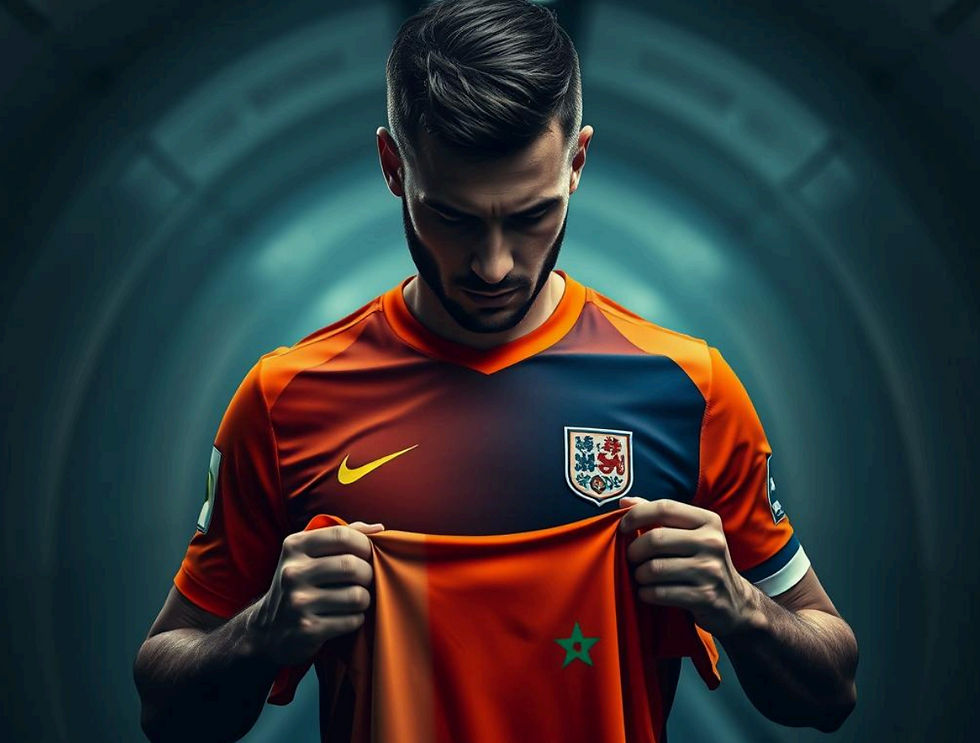
Eligibility Issues for Dual Nationality Players
Many players in the Eredivisie hold dual citizenship, often combining Dutch nationality with countries such as Indonesia, Suriname, or Cape Verde. These players face unique eligibility challenges due to the intersection of football regulations and national laws.
Dual citizenship restrictions: Dutch law generally restricts dual citizenship, especially for adults. Players who acquire another nationality risk losing their Dutch citizenship unless they meet specific exceptions. The main exceptions include cases where a person acquires another nationality by birth, through marriage to a non-Dutch spouse, as a recognised refugee or asylum seeker, or when dual nationality automatically results from the nationality law of another country and cannot reasonably be avoided. These exceptions are particularly relevant to footballers with complex international backgrounds.
Football eligibility rules: FIFA allows players to represent a country if they hold its nationality. However, national football associations and leagues have their own rules on player registration and eligibility that can conflict with citizenship laws.
Impact on player careers: Players with uncertain citizenship status may face delays or denials in registration, affecting their ability to play competitively and develop their careers. If players experience administrative delays or are unsure of their eligibility, they are encouraged to reach out immediately to their club’s legal staff for guidance. Additionally, seeking advice from player unions, specialised sports lawyers, or the KNVB’s player support services can help clarify requirements and offer possible solutions. Taking these proactive steps can help players address issues quickly and minimise disruptions to their careers.
These issues are particularly sensitive for players with Indonesian, Surinamese, or Cape Verdean heritage, as many have strong cultural ties to both countries but face legal hurdles in maintaining dual nationality.
Dutch Laws on Dual Citizenship and Eredivisie Status
The Netherlands has strict rules regarding dual citizenship. Generally, Dutch citizens who voluntarily acquire another nationality lose their Dutch citizenship unless they qualify for an exemption. This legal framework complicates matters for footballers who want to maintain eligibility to play as Dutch nationals.
Loss of Dutch citizenship: Players who acquire a second nationality without meeting the exemption criteria may lose their Dutch citizenship, affecting their status in the Eredivisie.
Eredivisie registration rules: The league treats players without Dutch citizenship as non-EU players, which brings additional restrictions and work permit requirements. For non-EU players, clubs must meet a minimum annual salary threshold (for example, roughly €400,000 as of the 2023/24 season), and there are limits on the total number of non-EU players that can be registered in a squad. (James, 2026) These regulations aim to protect opportunities for domestic talent and ensure only highly qualified non-EU players join Dutch clubs, but they create significant hurdles for affected players. (Non-EU Player Rules In The Dutch League: What You Need To Know, 2025)
Effect on club rosters: Clubs must carefully manage their squad composition to comply with limits on non-EU players, which can be challenging when citizenship status is unclear.
This legal environment creates uncertainty for players and clubs, forcing them to navigate a complex system that can hinder player development and team planning.
Work Permit Challenges and Financial Strain on Smaller Clubs
Non-EU players in the Eredivisie require work permits, which involve strict criteria and administrative hurdles. These challenges disproportionately affect smaller clubs with limited resources.
Work permit criteria: Players must meet salary thresholds and demonstrate a certain level of skill or international experience to qualify for a permit.
Administrative burden: The process requires extensive documentation and can delay player registration.
Financial impact: Smaller clubs struggle to meet salary requirements and cover legal fees, limiting their ability to sign talented non-EU players. (Havekes, 2021)
Competitive imbalance: Larger clubs with more resources can navigate these challenges more easily, potentially widening the gap in Dutch football. (Club licensing: how the Dutch and Swedish football associations coupled up, 2025)
The combination of citizenship laws and work permit rules creates a difficult environment for clubs trying to build competitive squads while managing budgets.
Case Study: Dean James and Eligibility Controversy
Dean James, a promising young player, has become a focal point in the debate over dual nationality. His case illustrates the complexities and consequences of the current system. (KNVB checking work permit status of Eredivisie dual nationals, 2026)
Background: James holds Dutch and Indonesian citizenship. Questions arose about whether he met the legal requirements to maintain Dutch citizenship while holding another nationality. The main legal arguments centred on whether James acquired his Indonesian citizenship voluntarily as an adult, which would typically lead to the automatic loss of Dutch citizenship under the Dutch Nationality Act, or whether he qualified for one of the exceptions. For example, if a player is born with dual citizenship because their parents are from different countries, this qualifies as acquiring it “by birth.” Alternatively, if the other country assigns citizenship automatically based on heritage without any action from the individual, this may be considered “unavoidable” under foreign law. In James’s case, it was debated whether his Indonesian citizenship was granted automatically because of his family background or whether he applied for it as an adult. These legal uncertainties made it difficult to determine James’s eligibility as both a Dutch citizen and a player in the Eredivisie.
Controversy: The KNVB questioned his eligibility to play as a Dutch national in the Eredivisie, sparking debate among clubs, fans, and legal experts.
Impact on career: The uncertainty around his status delayed his registration and affected his playing time.
Broader implications: James’s case highlights the need for clearer rules and better support for players navigating dual nationality issues.
This example shows how legal and regulatory challenges can directly affect players’ careers and club operations.
KNVB Investigation and Legal Complications
The Royal Dutch Football Association (KNVB) launched an investigation into the eligibility of several players with dual nationality. This inquiry has revealed potential legal complications for clubs and players.
Scope of investigation: The KNVB is reviewing player registrations to ensure compliance with citizenship and work permit rules.
Potential sanctions: Clubs found to have fielded ineligible players could face fines, point deductions, or other penalties.
Legal uncertainty: The investigation exposes gaps in the current system and raises questions about the fairness and clarity of regulations.
Player rights: Concerns arise about how investigations affect players’ careers and reputations, especially when rules are ambiguous. To safeguard their reputation during such inquiries, players should consider seeking legal counsel early in the process and maintaining clear, professional communication with both their clubs and the media. It is also advisable for players to use representatives or agents to address public questions or concerns on their behalf, helping prevent misunderstandings. By proactively managing their legal and public relations strategy, players can better protect their professional standing and ensure their side of the situation is accurately represented.
The KNVB’s actions underscore the urgency of addressing these issues to protect the integrity of Dutch football and support all stakeholders.
Possible Solutions to Address Dual Nationality Challenges
Resolving the crisis requires cooperation between football authorities, government agencies, clubs, and players. Several practical steps can help ease the situation.
Legal reform: To address dual nationality challenges for footballers, specific changes to Dutch citizenship laws should be considered. One proposal is to introduce an explicit exemption for professional athletes, allowing them to hold dual nationality without risking the loss of their Dutch citizenship, provided they represent the Netherlands or a Dutch club internationally. According to the Dutch government, dual citizenship is generally not permitted, though there are exceptions. Therefore, one option could be to explore whether athletes qualify for existing exceptions to dual nationality and to consider streamlining the application process for athletes whose careers require them to live and compete abroad. Simplifying documentation requirements and reducing administrative hurdles could also help athletes who need to navigate these rules for international competitions. These targeted reforms would support both players and Dutch football by making it easier for talented dual nationals to participate at the highest level.
Clearer regulations: The KNVB and Eredivisie should establish transparent, consistent rules for player eligibility and registration.
Support for clubs: Providing smaller clubs with legal and financial assistance to navigate work permit processes.
Player education: Offering guidance to players about citizenship laws and registration requirements early in their careers. To help players access the support they need, clubs should provide clear information on available resources. Players are encouraged to consult their club’s legal department for personalised advice, reach out to player unions such as the Dutch Players’ Association for broader support, or contact the KNVB’s helpdesk for assistance with eligibility and registration questions. These organisations can offer specialised guidance, help resolve uncertainties, and direct players to further legal or administrative support where necessary.
International cooperation: Working with countries like Indonesia, Suriname, and Cape Verde to streamline dual nationality issues for footballers.
These solutions aim to create a fairer, more manageable system that benefits players, clubs, and Dutch football as a whole. (Souza, 2025)
References
James, D. (March 25, 2026). KNVB checking work permit status of Eredivisie dual nationals. DutchNews.nl.https://www.dutchnews.nl/2026/03/knvb-checking-work-permit-status-of-eredivisie-dual-nationals/
(2025). Non-EU Player Rules In The Dutch League: What You Need To Know. rfvacservices.com.https://rfvacservices.com/blog/non-eu-player-rules-in
Havekes, K. (2021). The impact of the Financial Fair Play regulations on financial distress of Dutch professional football clubs. University of Twente.https://essay.utwente.nl/essays/86009
(August 6, 2025). Club licensing: how the Dutch and Swedish football associations coupled up. UEFA.https://www.uefa.com/news-media/news/029c-1e6a61e8c405-a3b8a7de22ef-1000–club-licensing-how-the-dutch-and-swedish-football-associat/
(March 25, 2026). KNVB checking work permit status of Eredivisie dual nationals. DutchNews.nl.https://www.dutchnews.nl/2026/03/knvb-checking-work-permit-status-of-eredivisie-dual-nationals/
Souza, M. A. (2025). Dual Nationality of Players and the Discussion on the Matter of International Dimension of Proceedings before FIFA in Employment Disputes. Football Legal.https://www.football-legal.com/content/dual-nationality-of-players-and-the-discussion-on-the-matter-of-international-dimension-of-proceedings-before-fifa-in-employment-disputes-by-marcelo-amoretty-souza



Comments